News

Focus

MEGANT RS: the flexibility of a front hopper, the hallmark of a MEGANT

New MEGANT 602 RS, 722 RS and 802 RS seed drills now complete the MEGANT range of min-till seed drills with tines. In combination with the TF 2300 C front hopper, they complement MEGANT R models with integrated hopper, offering a new configuration that optimises weight distribution and makes it possible to use the same equipment with different machines on the farm. With working widths from 6 to 8 metres, MEGANT RS seed drills offer the same great advantages that have made the range so successful: versatility, low power requirement, high output and control over operating costs.

Read the story

News

Baling test - interview - results
Know-how

KUHN BALING TEST – The final results

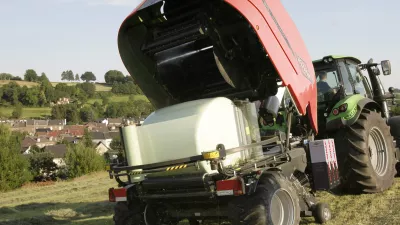
The final results of the KUHN Baling Test 2021-2022 have been released. Now we know for sure: a KUHN film bound bale is a better bale for less money! We also show what the bale preservation process consists of and how you can influence it. In order you get a better retention of nutritional value in your silage bale.

Read
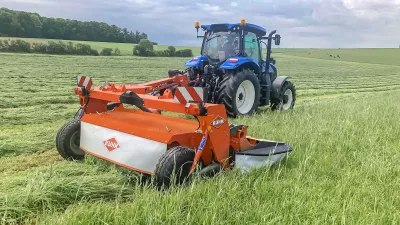
FC 3155 TLR at work
Hay & Forage

Effortless work with a simple and well-designed mower-conditioner

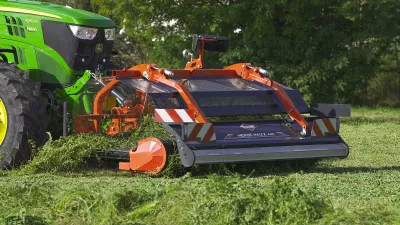
The new mower conditioners FC 3155 and FC 3555 TLR combine simplicity and quality of work. Their optimized design integrates all recognized qualities of the KUHN range. They thus perfectly complete the offering in mower conditioners intended for fodder producing farms.

Read
Testimonial MyKUHN
Corporate

With MyKUHN you never stop

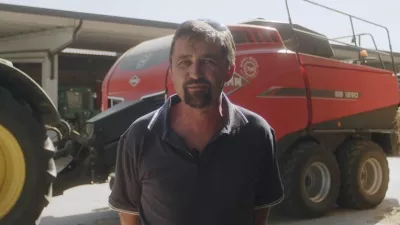
The testimony of Antonio Chiletti who started using MyKUHN to order spare parts for his KUHN machines.

Read
The wrapping ring with two integrated pre-stretchers.
Hay & Forage

20 years Bale-In-One – Customer testimonials

The BIO celebrates its 20th anniversary. This unique baler-wrapper combination has a large and dedicated customer base all around the world. Read some of their stories and discover what made them choose the Bale-in-One concept and what their experiences are.

Read
MERGE MAXX 440 F working in the field
Hay & Forage

Respecting your forage is essential!

With the new front end belt merger MERGE MAXX 440 F, farmers can combine the will to harvest forage with the lowest possible contamination and the need to reduce the operating costs of harvesting machines. Less impurities and the absence of stones in the forage will answer their needs in terms of quality.

Read
KUHN was recently awarded four AE50 awards from the American Society of Agricultural and Biological Engineers (ASABE).
Corporate

KUHN Wins Four ASABE Awards

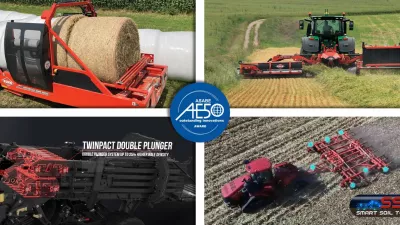
Companies from around the world submit entries to the annual AE50 competition and up to 50 of the best products are chosen by a panel of international engineering experts (ASABE, American Society of Agricultural and Biological Engineers). The judges select innovative products that will best advance engineering for the food and agriculture industries. KUHN was recently awarded four AE50 awards.

Read
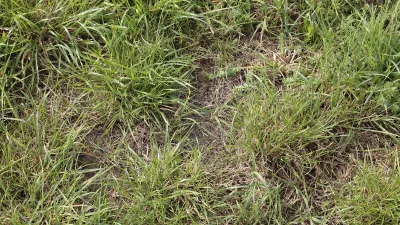
Sward with holes
Hay & Forage

Simply great forage - Minimum Level of Impurities

Considered here are all impurities which may be present in the forage: e.g. foreign bodies, soil, ensiled manure and plant residues, carcasses and mineral oil. All of these will have negative effects on the forage quality and therefore the farm´s profitability. The level of impurities must be kept to an absolute minimum. In practice, the discussion is dominated by the presence of soil in the forage.

Read
A high feed intake value in your forage
Know-how

Simply great forage - High Palatability

A high feed intake value is the lynchpin for efficient and successful milk/meat production, especially for high-performance dairy cows, as it plays an important role in providing enough energy and nutrients. The feed intake is determined by the palatability of the forage, meaning its “tastiness”. In this respect, cows are no different to humans!

Read
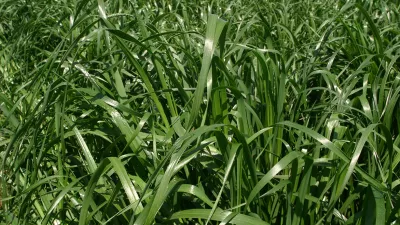
Grasses, legumes and herbs photo
Hay & Forage

Simply great forage - High energy and nutrient content

High energy and nutrient content are crucial in order to gain the maximum from the basic ration. Only by producing forage which is rich in energy and nutrients will you be able to reduce the quantity of concentrates that have to be used. To achieve this, some natural principles and basic characteristics of different forage species must first be taken into account.

Read