
Industrial quality control is key to ensuring equipment performance, durability and safety.
At KUHN, we have implemented a structured 5-step process covering the entire manufacturing cycle, from raw materials to real-world testing.
The 5 steps of our quality control
1. Raw material inspection
Each batch of material is analysed in our metallurgy laboratory:
- chemical and mechanical analysis
- compliance with standards
- approval before production
Objective: ensure quality at the source.
2. In-process inspections
Throughout machining:
- dimensional inspection of parts
- tolerance checks
- detection of deviations
Objective: immediately correct any deviation.
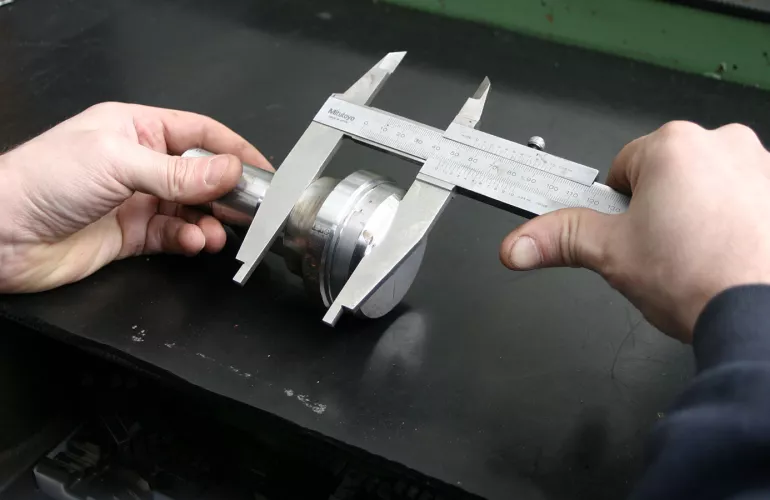
3. Self-inspection and quality supervision
- each operator inspects their own parts
- random inspections by the quality department
Objective: empower operators and secure production.
4. Test bench validation
Critical components are tested individually:
- functional tests
- performance checks
- technical validation
Objective: prevent any failure during assembly.
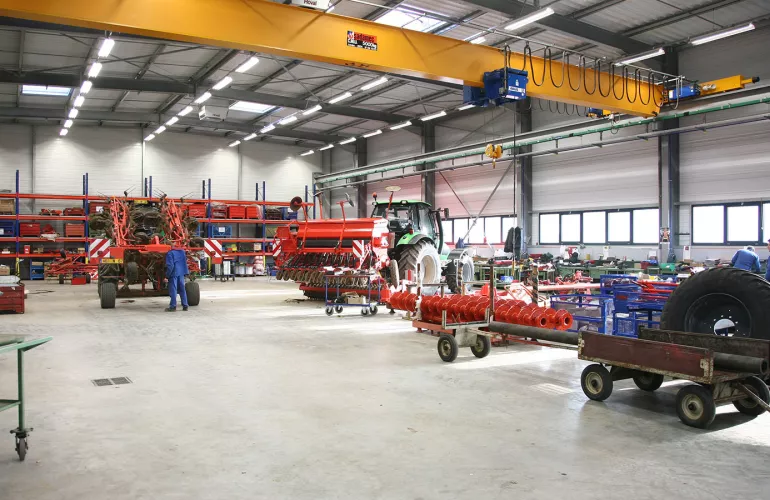
5. Real-world testing
- machine tested every day (approx. 10 hours on a tractor)
- complete disassembly and expert inspection
- final approval
Objective: ensure maximum reliability before delivery.

FAQ
-
Our high standards are based on a comprehensive, integrated approach: an in-house laboratory, inspections at every stage of manufacturing, bench testing and validation in real-world conditions. This high level of control enables us to ensure consistent, recognised quality across all our equipment.
-
Because machine reliability is at the heart of our expertise.
Each inspection step is designed to keep quality fully under control, from raw materials to use in the field, and to guarantee consistent performance in the most demanding conditions.
-
It allows us to check how the machine behaves in actual use, detect any anomalies that cannot be seen in the laboratory, and guarantee its reliability before delivery to the customer.
-
An analysis is carried out immediately to identify the cause of the problem. Corrective actions are implemented (adjustment, re-machining or scrapping) to ensure that only compliant products leave our site.